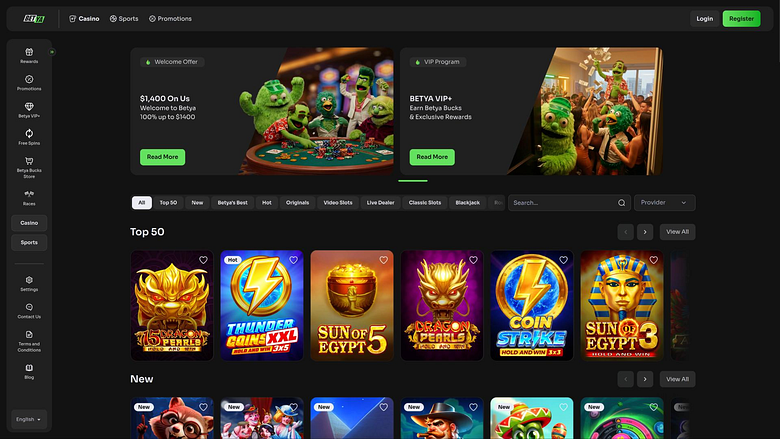
Choosing an online casino library is easier when the search starts with game style rather than a promotional headline. The betya casino reviews available to Canadian readers describe a broad catalogue that brings slots, table games, live dealers, instant titles and game-show formats together. That range can be useful, but it also makes filtering important. A practical approach is to identify the type of experience you want, compare the available versions, and check the title-specific information before playing.
Start with the experience you actually want
A large lobby can be divided into a few familiar categories. Video slots are generally the largest group, with themes, bonus mechanics and reel layouts varying widely. Classic slots offer a simpler presentation, often with fewer reels or a more traditional design. Progressive jackpot games appeal to players interested in a changing prize pool, although the conditions and prize structure belong to each individual title rather than the category as a whole.
Table games suit a different preference. Blackjack, roulette, baccarat, craps and other dice games are usually built around established rules, while video poker combines card decisions with a machine-based format. Bingo, keno and scratch cards provide shorter, simpler rounds. Crash games and other instant formats may feel faster, but speed does not make them easier to predict or more reliable.

Live dealer tables add video streaming, real-time dealing and, in some cases, dealer chat. They can be a useful choice for players who prefer a table atmosphere instead of animated or purely digital graphics. Game-show formats sit between casino games and entertainment programmes, while original instant or RNG-style titles can offer a more compact session. The right starting point is therefore not “the most popular game,” but the format whose pace, rules and presentation match your preference.
Use the lobby filters before judging the catalogue
When a library contains thousands of titles, browsing every game individually is inefficient. Category filters can narrow the search to Video Slots, Classic Slots, Live Dealer, Blackjack, Roulette, Table Games, Video Poker, Jackpot or Originals. “New” and “Hot” sections can help with discovery, while “Top 50” and “Betya’s Best” are useful starting points rather than proof that a title will suit every player.
Personal sorting tools can make later visits more manageable. Favourites allow a player to retain games worth comparing, while Recents reduce the need to search again for a title already considered. A sensible workflow is to begin with one category, shortlist several games, and then compare their rules, displayed RTP information, available demo mode and betting range where those details are shown.
Provider names can also help when a player already recognizes a preferred design style or mechanic. The reported catalogue includes studios such as Pragmatic Play, Evolution, Play’n GO, Yggdrasil, BGaming, Quickspin, Relax Gaming, Habanero and others. Studio familiarity can improve navigation, but it should not replace checking the individual game page. Two titles from the same provider may have very different volatility, features and betting requirements.
Compare mechanics, pace and information
Slot discovery becomes more useful when the visible theme is treated as only one factor. Hold-and-win mechanics, cascading reels, bonus rounds and optional bonus buys can change how a game unfolds. A familiar theme may still produce a very different experience from another title with the same setting. Players should check whether features are automatic, triggered by specific symbols or available only through an optional purchase.
RTP is another comparison point, where the title provides it. It is a long-run theoretical measure, not a forecast for a short session, and it does not show how frequently a player will win. Volatility describes the general pattern of prize frequency and size, but it does not remove uncertainty. A short demo round can help explain controls and bonus features; it cannot verify an outcome pattern or prove that a game will perform as expected.
Table-game comparisons require a different checklist. Look at the rules, number of seats, available side bets, dealing format and any stated limits. For live games, consider whether you prefer a continuous table, scheduled game-show format or a more conventional streamed table. For RNG versions, review the rules and displayed information on the title page. These distinctions matter more than broad labels such as “classic,” “live” or “original.”
Decide between digital and live versions
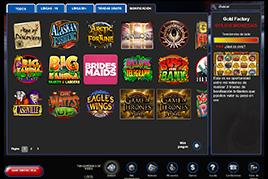
Digital versions are often convenient for players who want a quick round without waiting for a seat or a dealing cycle. RNG blackjack, roulette and baccarat can present the rules in a compact interface, and the pace may be easier to control. They are also useful for learning the layout of a game, provided the player reads the rules rather than relying only on the visual design.
Live dealer games provide a different type of interaction. Real-time video, a human dealer and chat can create a more social presentation, while streamed roulette, blackjack and baccarat may feel closer to a physical table. That atmosphere can also encourage longer sessions because the game continues visibly between decisions. Setting a time or spending boundary before entering a live table can help keep the entertainment within its intended limits.
There is no universal advantage to one format. A player comparing the two should consider pace, privacy, screen size, connection quality and the amount of information visible while playing. The reported catalogue includes live tables and game-show formats alongside digital versions, but availability can vary by title, account and jurisdiction. Before relying on a category, confirm what is currently displayed and read the relevant game rules.
Keep game discovery within a sensible plan
Variety can improve choice, but it can also make impulsive switching easier. A player might move from slots to crash games, then to live tables, without noticing how quickly the session or spending has changed. Treating each category as entertainment with a defined limit is more practical than trying to recover losses by changing game type.
Useful controls may include deposit limits, wager or loss limits, cooling-off periods, temporary time-outs and self-exclusion. The source material describes these as account-control options, but the exact process and availability should be checked in the operator’s current terms. A limit is most effective when set before play, rather than after a budget has already been exceeded.
For broader Canadian information about safer gambling and support, readers can consult Canada’s Responsible Gambling resource. This does not confirm the rules or features of any particular casino. It provides wider context for recognizing when game discovery has shifted from casual entertainment to a concern. If gambling stops feeling optional or remains difficult to control, taking a break and seeking independent support is a more useful step than searching for another category.
Frequently asked questions about casino game discovery
Which game category is easiest to explore first?
Start with a category whose rules you already understand, such as classic slots, standard roulette or basic blackjack. Use the lobby filters to limit the number of choices, then review several title pages instead of selecting the first prominent listing. Familiarity makes it easier to compare presentation, pace and stated information.
Are live dealer games better than RNG versions?
Neither format is automatically better. Live games offer streaming, dealers and chat, while RNG versions are usually more compact and may move at a different pace. Compare the rules, table format, visible limits and your preferred session length. Choose based on the experience you want, not on the assumption that one format guarantees better results.
Can a demo establish whether a game is fair?
No. A demo can show controls, paylines and feature mechanics, and it may display title-specific information such as RTP. It cannot establish short-term fairness or predict future outcomes. Use it as a familiarization tool, then make decisions based on the published rules and a limit you can afford to lose.